
What language is spoken in Dominica? English is the official language, but many locals also speak Kwéyòl (Dominican Creole) in daily life—especially in markets and villages.
You don’t need Creole to travel comfortably, but learning a few phrases can completely change your experience: people open up, conversations get warmer, and you’ll understand a little more of the island’s rhythm. In this guide you’ll find a quick overview of Dominica’s language, where you’ll hear Kwéyòl most, and a practical phrase table you can use right away.
🏝️ Quick Facts for Travelers:
- Official Language: English (widely spoken, used in all shops, hotels, and government).
- Local Language: Kwéyòl (a French-based Creole).
- Do I need to speak Creole? No, but learning a few words will open hearts and doors!
- Where is it spoken? Everywhere, but especially in local markets and rural villages.
English and Beyond: What Language is Spoken in Dominica?
Yes. As a former British colony, English is the official language of Dominica. You will have no trouble navigating the island, booking tours, or dining out using only English.
However, you will quickly notice that when locals speak to each other, they use a melodic, rhythmic language that sounds like French but has a distinct Caribbean soul. This is Kwéyòl.
If you’re asking what language is spoken in Dominica, the short answer is English for travel—and Kwéyòl for everyday life.
What is Kwéyòl? (Dominican Creole)
Dominica’s Creole language—often called Kwéyòl—is a beautiful blend born of resilience. Rooted in 17th-century French, it absorbed African grammar structures, Kalinago words, and English expressions.
Unlike many other Caribbean dialects, Kwéyòl is a pillar of identity. It evolved as a language of the people, allowing enslaved Africans and later rural communities to communicate beyond colonial impositions. It’s a linguistic mosaic, deeply tied to the island’s culture, struggle, and survival.

Essential Kwéyòl Phrases (Translation Table)
Try using these phrases with a local vendor at the Roseau Market—you’ll likely get the “local price” and a big smile!
| English | Kwéyòl | Pronunciation |
| Good morning | Bonjou | Bon-joo |
| Good afternoon | Bonswa | Bon-swah |
| How are you? | Kouman ou yé? | Koo-mah oo yay |
| I am fine | Mwen byen | Mwen byen |
| Thank you | Mèsi | May-see |
| Everything is good | Tout bagay paré | Too bah-guy pah-ray |
| What is your name? | Ki non’w? | Kee no-on |
Where to Hear and Experience Creole
While Kwéyòl lives in every corner of the island, here are the best places to immerse yourself:
1. Roseau Market on Saturday Morning
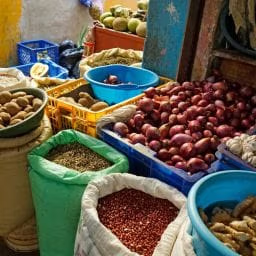
The rhythm of voices at the local market is the best live lesson you can get. Vendors haggle, joke, and sing in a mix of English and Creole.
2. The Kalinago Territory
While the Kalinago have their own ancestral heritage, Creole is the primary language for storytelling and ceremonies. Listening to elders share oral traditions in the Territory is like entering a portal to Dominica’s layered identity. Read more: Discovering the Kalinago Territory: Traditions & Culture
3. Cultural Festivals (Jounen Kwéyòl)
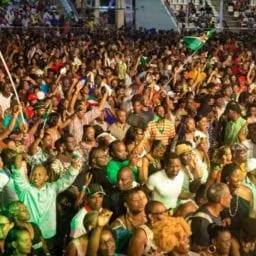
If you visit in October, you’ll experience Creole Day (Jounen Kwéyòl). Everyone wears traditional “Madras” clothing, eats local food, and speaks full Kwéyòl. It is the proudest day on the Dominican calendar. Check out: World Creole Music Festival Guide

Why the Language Matters
Creole isn’t just a language; it’s a symbol of resistance and pride. In a world where minority languages are disappearing, Dominica stands out for celebrating its heritage. For many Dominicans, speaking Kwéyòl is an act of remembrance that honors ancestors and reinforces community bonds.
💡 Pro Tips for Your Visit:
- Stay Local: To hear the most authentic Creole, stay in a local guesthouse in rural villages like Grand Bay or Marigot. Browse charming homes at RentInDominica.com.
- Invest in Culture: Thinking about making the island your home? Explore heritage properties at DominicaEstates.com.
Final Thoughts: Speak It, Feel It
The Creole language in Dominica is not fading—it’s thriving. As a traveler, tuning into this language is like being handed a cultural key—one that opens up the heart of the island.
Don’t just visit Dominica. Speak it. Live it. Feel it.
FAQ
1) What is the official language of Dominica?
English is the official language of Dominica and it’s used in schools, government offices, hotels, and tours.
2) Do people speak Creole in Dominica?
Yes. Many locals speak Kwéyòl (Dominican Creole) in daily life, especially in markets, villages, and casual conversations.
3) Is Dominican Creole the same as Haitian Creole?
No. Both are French-based Creoles, but they developed differently and aren’t identical—speakers may understand some words, but not everything.
4) Do tourists need to speak Creole in Dominica?
No. English is enough to travel comfortably, but learning a few Kwéyòl phrases makes it easier to connect with locals.



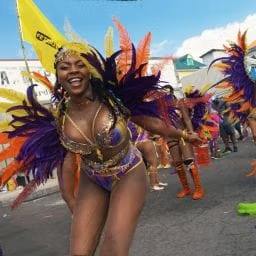


[…] Tip: To truly connect with the locals, learn a few phrases of the local tongue. Understanding what language is spoken in Dominica and hearing the rhythm of Kwéyòl will change how you experience the island’s […]