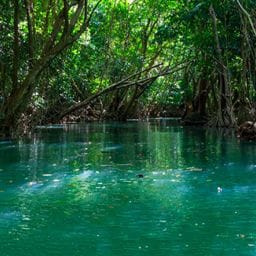
Dominica historical plantations offer a vivid connection to the island’s colonial past. A rusted sugar mill wheel buried in vines. A cobblestone trail winding through dense rainforest. The silence of a ruined estate house, where only birdsong lingers. These are not just ruins—they’re living stories written into Dominica’s landscape and identity.
🌍 Dominica Historical Plantations and the Shaping of a Landscape
Dominica’s wild, mountainous terrain appears untouched. However, the landscape holds the deep scars and legacy of the island’s plantation history. During the 18th and 19th centuries, European colonizers established estates for sugarcane, coffee, and cocoa cultivation. Enslaved Africans labored on these lands, fueling foreign economies while enduring extreme hardship.
Unlike many neighboring islands, Dominica had fewer sprawling plantations. The rugged interior made full-scale colonization difficult, which led to unique and isolated estates. Emancipation came in 1834, but the island’s physical and cultural landscapes still carry echoes of that time.
You can spot these traces in moss-covered estate walls, village names with colonial roots, and weathered chimneys hidden among trees. In places like Layou Valley, locals say you might even hear the ghostly rhythm of drums at dawn.
In villages once tied to plantation life, small but enduring traditions remain. People still prepare herbal remedies using plants once gathered in secret. Songs and sayings passed down through families preserve the voice of a resilient culture.
Pro Tip 🏛️: Visit Castle Bruce, Soufriere, or Layou Valley to explore Dominica historical plantations firsthand. The sounds of birds and rustling leaves accompany every step.
🌳 From Dominica’s Historical Plantations to Cultural Landmarks
Dominica’s historical plantations now serve new purposes. Locals have transformed them into ecological sites, boutique lodges, and cultural spaces. These areas no longer represent domination—they’ve become places of remembrance and healing.
🏞️ Notable Plantations You Can Visit
- Hampstead Estate: Once a sugar-producing plantation, now a tranquil eco-resort with fruit trees, trails, and remnants of stone structures.
- Geneva Estate: A former agricultural hub that now hosts cultural festivals, crafts fairs, and heritage activities.
- Rosalie Estate: Nestled in lush gardens, this estate features accommodations that honor the site’s historical and ecological richness.
Bright signage marks the trails, and local hosts often share stories tied to the land. The contrast between past and present—between old sugar kettles and singing cicadas—is striking.
Pro Tip 🌿: Ask your host about upcoming “heritage nights” with traditional food, music, and storytelling.
🍃 Reading History in Dominica’s Landscape
Nature hasn’t erased history—it frames it. Dominica historical plantations leave clues: cocoa trees still growing wild, ancient aqueducts crumbling in silence, and mango trees outlining former estate roads.
Hike through the Layou River Valley or the hills near Belles, and you’ll discover how the island’s forest has woven itself through colonial remnants. Each plant and path holds meaning.
🗣️ Oral Histories Keep Plantation Stories Alive
Plantation life isn’t just found in ruins—it’s remembered in voices. Elders talk about “the old works,” telling stories of strength, survival, and cultural pride. These oral histories, often shared during village tours, bring human depth to physical locations.
In areas like Grand Bay and Marigot, guides enrich walks with firsthand accounts. Hearing these tales where they happened creates a powerful connection.
🌱 Reviving the Ruins of Dominica Historical Plantations
Some estates lie forgotten. Others are being revived as eco-lodges, farms, and educational centers. These projects don’t hide the past—they honor it. Local communities reclaim these sites to build sustainable futures while preserving cultural memory.
This reflects Dominica’s broader mission: to transform painful legacies into positive, place-based storytelling and tourism.
📍 How to Visit Dominica’s Plantation Sites
- When to go: Best explored during the dry season (December to April)
- What to bring: Hiking shoes, water, and an open mind
- Who to contact: Local heritage tour guides add essential context
✈️ Learn More About Dominica’s Colonial Past
- Fort Shirley: Colonial History Among the Cabrits
- Dominica’s Colonial History: A Journey Through Forts, Ruins & Resistance
Planning a trip?
- 🏠 RentInDominica.com – Rentals, villas, guesthouses
- 🌴 DominicaEstates.com – Historic land & eco-properties
🚀 Final Thoughts
Dominica historical plantations are more than relics. They’re layered with meaning, emotion, and identity. Walking their paths reveals both the pain of the past and the power of cultural renewal.
Explore the ruins. Hear the voices. Let Dominica’s landscape teach you what history never forgot.