Step into the heart of the Caribbean and uncover the untold stories of Dominica’s colonial history—a gripping saga of power, resistance, and cultural transformation. Beyond its lush rainforests and pristine beaches lies a fascinating past etched into forts, museums, and crumbling ruins. At the center of this historical tapestry is Fort Shirley, an architectural marvel and symbol of strength and rebellion, surrounded by a network of other remarkable colonial landmarks that tell the tale of an island that refused to be subdued.
From British fortresses to battlegrounds of African slave resistance, Dominica’s colonial history is a journey worth taking—where every stone tells a story and every breeze whispers the legacy of freedom.
⚖️ Fort Shirley: The Crown Jewel of Colonial Dominica
A Strategic Marvel in Cabrits National Park
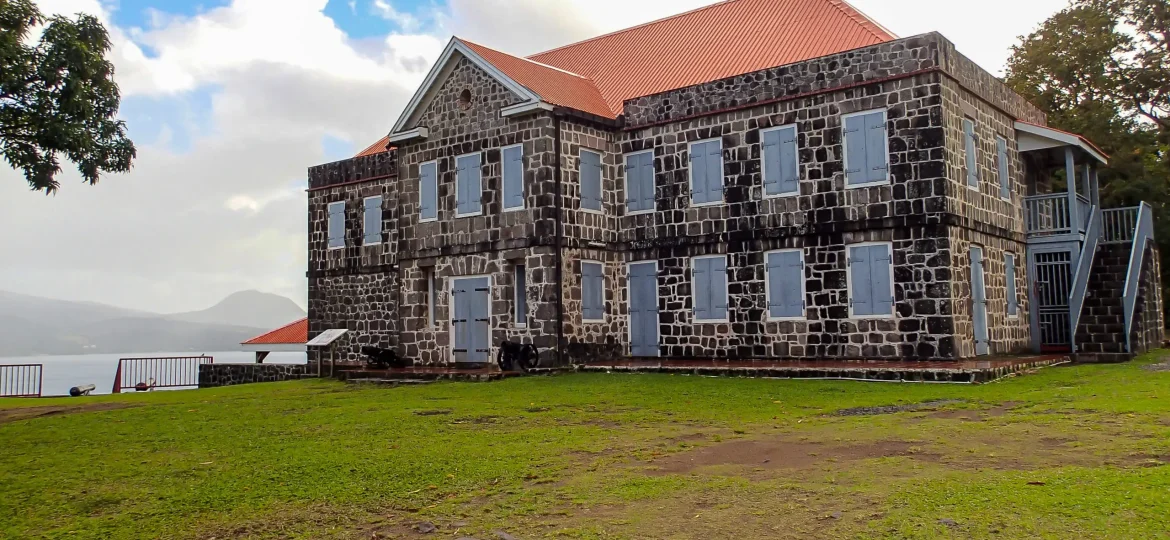
Located in Cabrits National Park, near Portsmouth, Fort Shirley is perhaps the most iconic symbol of Dominica’s colonial history. Built by the British in the 18th century, the fort was part of a network of defenses erected to protect their strategic interests from the French, pirates, and uprisings.
The fort, constructed between 1765 and 1773, was designed in the Georgian style, with massive stone structures overlooking Prince Rupert Bay. Its strategic location offered 360-degree visibility over land and sea, allowing the British to maintain watch over maritime routes.
Today, the restored Fort Shirley invites visitors to explore its barracks, gun batteries, and command centers. It’s not just a monument; it’s a living museum set against breathtaking natural backdrops—where history and nature intertwine.
The 1802 Revolt: A Story of Courage
One of the most powerful episodes in Dominica’s colonial history occurred right here. In 1802, more than 100 African soldiers of the 8th West India Regiment stationed at Fort Shirley revolted against British officers. Their rebellion was driven by poor conditions and fears of re-enslavement following the Napoleonic wars.
Though the rebellion was ultimately suppressed, it had a profound impact. British Parliament was shaken and moved to officially emancipate all enslaved soldiers in 1807. This act of bravery has since transformed Fort Shirley into a symbol of resistance and dignity.
Events, Tours & Reenactments
Today, Fort Shirley serves as a cultural venue hosting concerts, reenactments, and educational tours. Notably, it is one of the main stages for Dominica’s Jazz ‘n Creole Festival. Visitors can walk among restored colonial buildings and feel transported into the past.
🏛️ Fort Young: From Fortress to Boutique Hotel
Built for Battle
Overlooking the Caribbean Sea in Roseau, Fort Young was constructed in 1770 and named after Sir William Young, Dominica’s first British Governor. Originally built as a defense installation, the fort played a key role during French invasions and numerous colonial skirmishes.
A Living Monument
Today, Fort Young has been transformed into a luxury hotel, but it retains many of its original structures. You can sleep in former military quarters, dine under historic arches, and relax on a terrace that once housed cannons. A stay here offers a unique opportunity to engage with Dominica’s colonial history while enjoying world-class amenities.
⛺ Fort Cachacrou: The Southern Sentinel
Located at the southernmost tip of the island, Fort Cachacrou was built in the 1760s to protect the southern bays from enemy fleets. It formed a communication line with other coastal forts via semaphore and signaling systems.
Though the fort is now in ruins, adventurous travelers can trek to the site and imagine the life of the soldiers who once manned these posts. Its remote location offers sweeping ocean views and a deep sense of historical immersion.
🏫 The Dominica Museum: A Time Capsule of History
Situated at the edge of the Roseau Bayfront, the Dominica Museum is a treasure trove of artifacts that narrate the island’s long history. Inside, you’ll find:
- Kalinago artifacts predating colonial times
- Tools and documents from the French and British periods
- Exhibits on slavery, trade, and plantation life
This museum contextualizes the colonial period within the broader sweep of Dominica’s heritage, from indigenous roots to modern-day independence.
🔬 Colonial Influence on Culture and Architecture
The impact of colonial rule is still visible in Dominica’s culture, from the English language and judicial system to the Georgian-style buildings in Roseau. Many churches, government buildings, and plantations retain their colonial flair, offering photographers and history buffs a rich visual landscape.
Walkable Heritage Trails
Dominica offers self-guided heritage trails, especially in Roseau, where buildings like the Old Market Plaza and Anglican Church showcase the colonial legacy.
Culinary Legacy
British influence can also be seen in Dominica’s culinary traditions, such as “bakes” (fried dough), tea rituals, and spiced rum varieties introduced during the plantation era.
🔎 Planning Your Historical Tour
When to Go
The dry season (December to May) is ideal for exploring outdoor sites like Fort Shirley and Fort Cachacrou.
How to Get Around
Renting a car is ideal for accessing remote forts. Check listings on RentInDominica.com for affordable options, from jeeps to compact vehicles.
Where to Stay
Immerse yourself in history with a stay at Fort Young Hotel, or explore other unique lodging options on DominicaEstates.com, which also features luxury properties with colonial charm.
🌿 Preserving Dominica’s Colonial Heritage
Community-Led Restoration
Much of the work restoring Fort Shirley and other sites was initiated by local historians and volunteers. Their passion ensures that future generations can continue to engage with this crucial chapter of Dominica’s story.
Educational Outreach
Educational programs for schools and tourists alike ensure that Dominica’s colonial history is not forgotten but celebrated as a key aspect of national identity.
Ecotourism Synergy
Combining heritage tourism with Dominica’s eco-ethos is a win-win: historical sites are preserved, and visitors leave with a deeper understanding of the island’s soul.
🌺 In Conclusion: A Living Legacy
Exploring Dominica’s colonial history is more than a lesson in the past—it’s a powerful reminder of resilience, identity, and transformation. Whether you’re wandering the ruins of Fort Shirley, enjoying a sea breeze at Fort Young, or discovering artifacts at the Dominica Museum, you’re connecting with an island whose spirit has never been conquered.
So pack your sense of adventure and curiosity, and let Dominica’s colonial history guide you through a timeless journey of discovery.




[…] 🔗 Internal link: Check out our article on Dominica’s Art and Culture Scene. […]