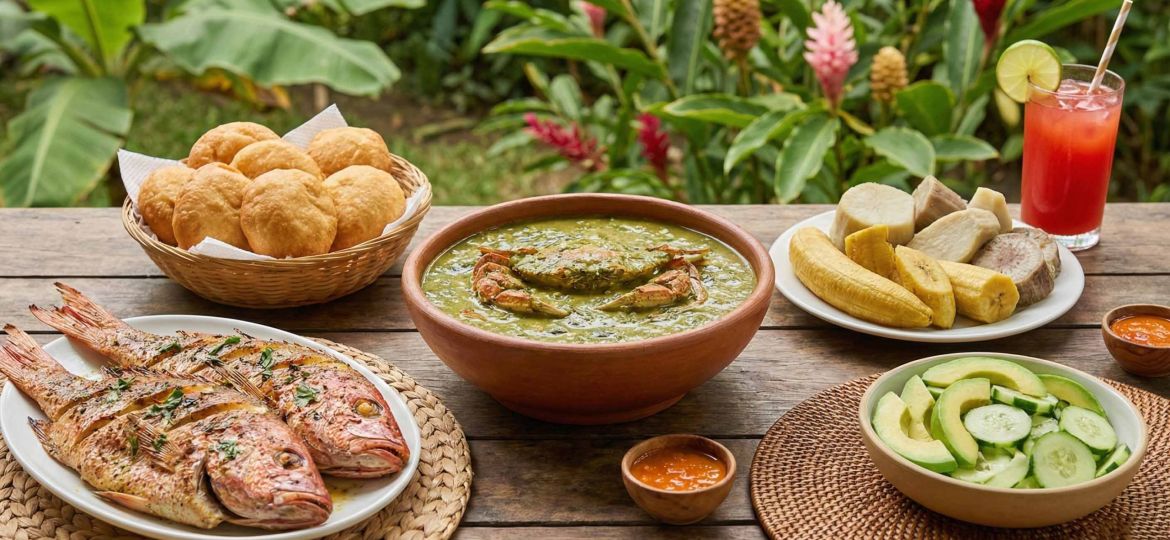
Dominica isn’t just a feast for the eyes; it’s a masterclass for the palate. Dominica Creole Cuisine is a vibrant, aromatic journey that tells the story of the island’s soul. Rooted in the traditions of the Kalinago people and enriched by African and French influences, every dish is a celebration of the island’s volcanic fertility.
In 2026, as travelers seek authentic, sustainable, and “slow food” experiences, Dominica stands out as a global culinary destination. This is your comprehensive guide to eating like a local.
The Foundation: Volcanic Soil and “Provisions”
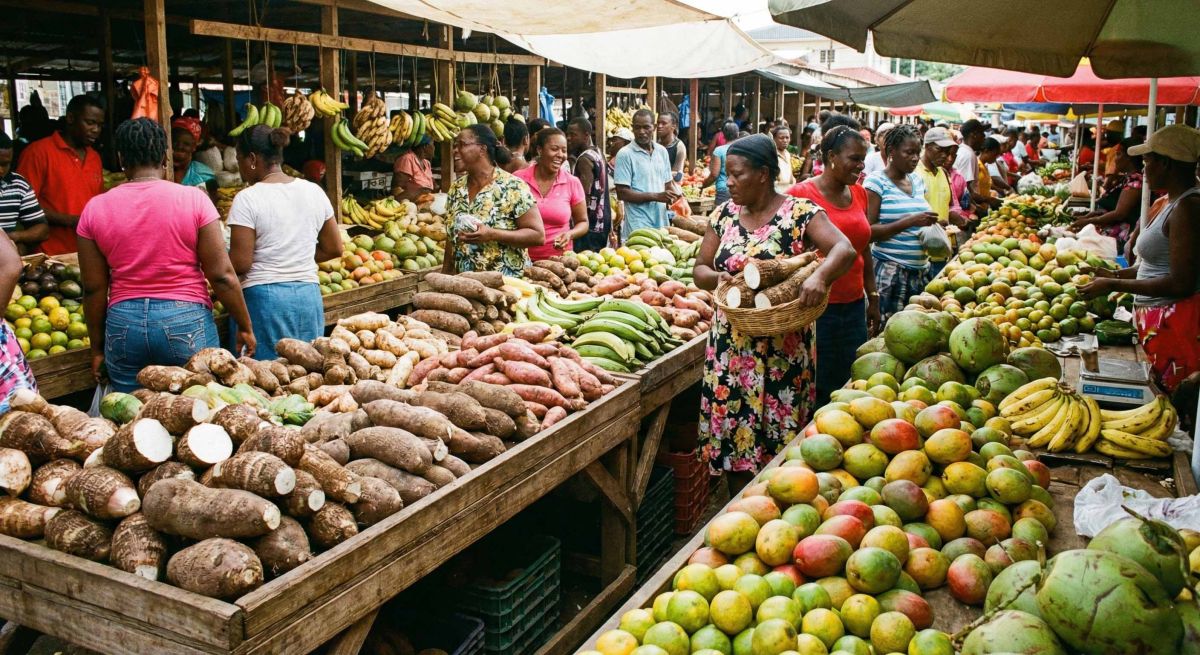
To understand Dominica Creole Cuisine, you must understand “Ground Provisions.” Because of the rich, mineral-heavy volcanic soil, root vegetables grow here with an intensity of flavor found nowhere else.
- Dasheen (Taro): The backbone of many meals. Its leaves make the famous Callaloo, while the root is boiled or mashed.
- Yams and Tannia: Hearty tubers that accompany almost every protein.
- Breadfruit: Often roasted over an open fire until the skin is charred, then peeled to reveal a smoky, bread-like interior.
The National Treasure: Callaloo Soup
While many Caribbean islands have their version of Callaloo, Dominica’s recipe is distinct. It is usually served on Saturdays—a tradition that brings families together.
- The Ingredients: Fresh dasheen leaves, okra, coconut milk, crab or salted meats, and a precise blend of local herbs.
- The Taste: Creamy, earthy, and incredibly filling. It’s more than a soup; it’s a cultural ritual.
The Art of “Green Seasoning”
The secret weapon of every Dominican chef is Green Seasoning. You won’t find store-bought marinades here. Instead, locals blend celery, scallions, thyme, pimento peppers, garlic, and ginger into a vibrant green paste. This paste is used to “rub down” meat and fish, ensuring that the flavor penetrates deep into the bone.
Ital Food: The Original Plant-Based Diet
Long before “veganism” became a global trend, Dominica was perfecting Ital Food. Derived from the Rastafarian lifestyle, Ital food is “of the earth”—natural, organic, and free from processed salt or chemicals.
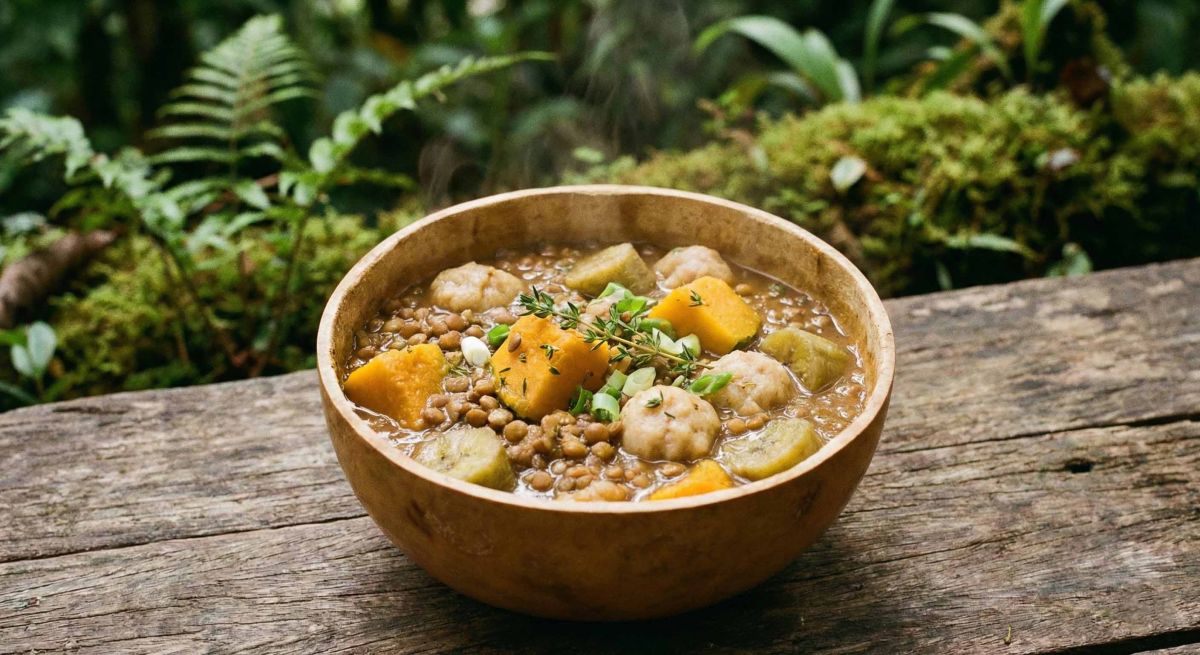
- Ital Soup: A thick, flavorful stew made with lentils, pumpkin, dumplings (spinners), and plenty of coconut milk.
- The Philosophy: It’s about eating for vitality and health, using only what the Nature Isle provides.
Street Food & Roadside Delights
You haven’t truly experienced Dominica Creole Cuisine until you’ve stopped at a roadside shack.
- Bakes: Fried dough pockets stuffed with everything from saltfish to spicy tuna.
- Cuchi-Cuchi: Small, spicy fried fish, perfect as a snack on the go.
- Accras: Saltfish fritters seasoned with heavy doses of local thyme and hot peppers.
- Black Pudding: A spicy local sausage that is a weekend staple in the villages.
Beyond the Plate: Drinks and Herbal “Bush Teas”
In Dominica, what you drink is as important as what you eat.
- Bush Teas: Every resident is an amateur herbalist. From “Basil Tea” for digestion to “Lemon Grass” for relaxation, these infusions are part of daily life.
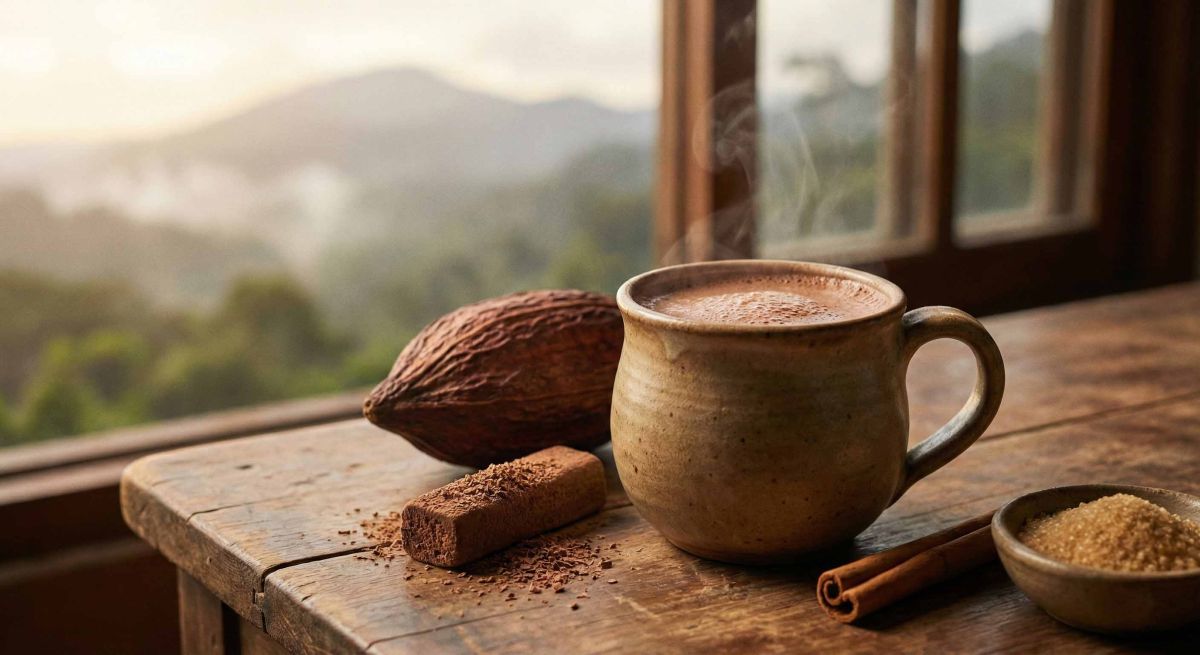
- Cocoa Tea: Forget hot chocolate. Dominican Cocoa Tea is made from pure cocoa sticks grated into boiling water with cinnamon, nutmeg, and bay leaf.
- Rum Punch: Often infused with local fruits like passionfruit or soursop and spiked with a dash of lime.
The Foodie Calendar: Where and When to Eat
- Saturday Morning: The Roseau Market is a must. This is where the island’s best produce is sold, and you can find unique spices to take home.
- Lunchtime at Mero: As we discussed in our Mero Beach guide, this is the place to enjoy fresh snapper with your feet in the sand.
- Dinner in Calibishie: Head north for a different vibe, where the Atlantic breeze accompanies plates of “Mountain Chicken” or wild agouti stew.
🍽️ The “Must-Eat” Checklist for 2026
| Dish Name | Type | Flavor Profile |
| Callaloo | Soup | Rich, creamy, coconut-based |
| Bakes & Saltfish | Snack | Salty, crunchy, satisfying |
| Ital Stew | Vegan | Organic, hearty, earthy |
| Agouti Stew | Exotic | Gamey, spicy, rich sauce |
| Sorrel | Drink | Tart, floral, refreshing |
| Pelau | One-pot | Savory rice with chicken and pigeon peas |
Esporta in Fogli
Frequently Asked Questions (FAQ)
What is the best month for foodies in Dominica? October is “Creole Month,” culminating in the World Creole Music Festival. This is when the island showcases its most traditional and rare dishes.
Is it easy to find vegetarian food? Yes! Thanks to the Ital tradition, almost every restaurant offers hearty, plant-based options made with fresh local produce.
Can I visit a cocoa plantation? Absolutely. Many estates in the north offer “Bean to Bar” tours where you can see how the cocoa for your Cocoa Tea is grown and processed.