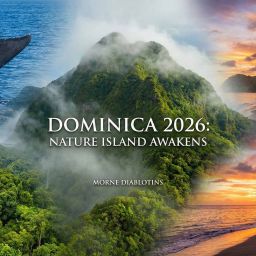
Did you know that Dominica is the only place in the world where a resident population of sperm whales lives year-round? In a historic move for our planet, the island has officially established the Dominica Sperm Whale Reserve.
Whether you are a diver, a scientist, or a traveler looking for a life-changing encounter, this guide explains why this reserve is a global milestone and how you can experience it responsibly.
🐋 The Reserve at a Glance:
- Size: Approx. 300 square miles of protected waters.
- Location: Along the western (Leeward) coast of Dominica.
- Status: First reserve in the world specifically for the protection of Sperm Whales.
- Primary Goal: To protect the resident population of about 200-300 whales.
Why Do Sperm Whales Live in Dominica?
The waters off Dominica are exceptionally deep and rich in squid, the primary food source for sperm whales. Because the seafloor drops so steeply near the shore, these giants can feed and nurse their calves just a few miles from the coastline.
This unique geography has created a permanent home for families of whales, making Dominica the undisputed Whale Watching Capital of the Caribbean.
How the Reserve Works (and Why It Matters)
Established to fight climate change and protect biodiversity, the reserve is more than just a name. It introduces strict regulations:
- Regulated Vessel Traffic: Large ships are diverted to specific lanes to avoid “ship strikes.”
- Sustainable Fishing: No commercial fishing is allowed within the reserve boundaries.
- Blue Carbon: Protecting whales is a climate solution! One sperm whale can sequester as much carbon as thousands of trees through their unique biological cycle.
How to Visit the Dominica Sperm Whale Reserve
If you want to see these majestic creatures, you must do it the right way.
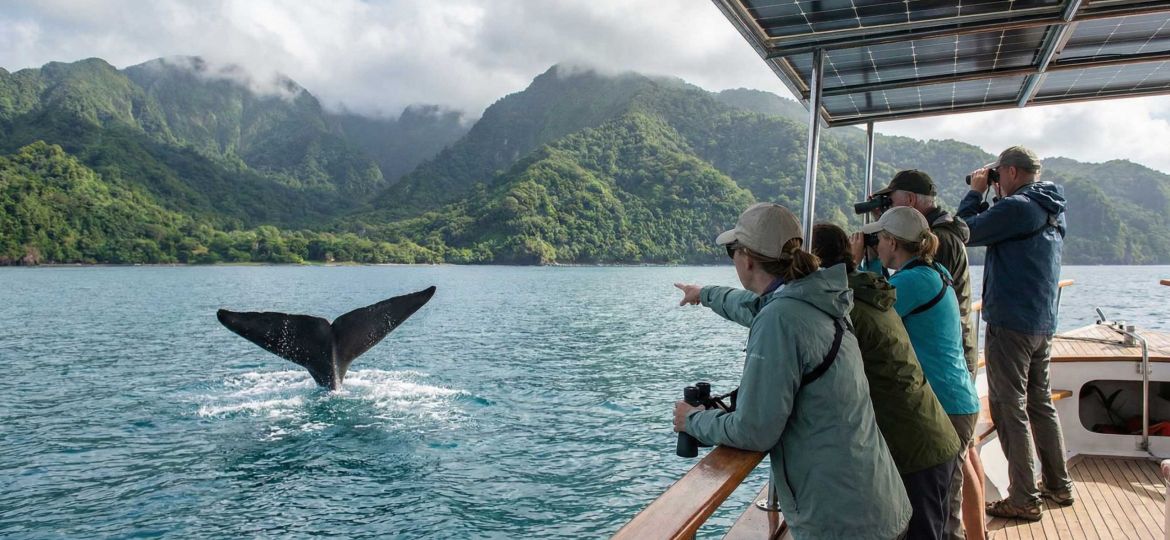
- Whale Watching Tours: Only licensed operators are allowed within the reserve. These tours have a 90% success rate of spotting whales while maintaining a respectful distance.
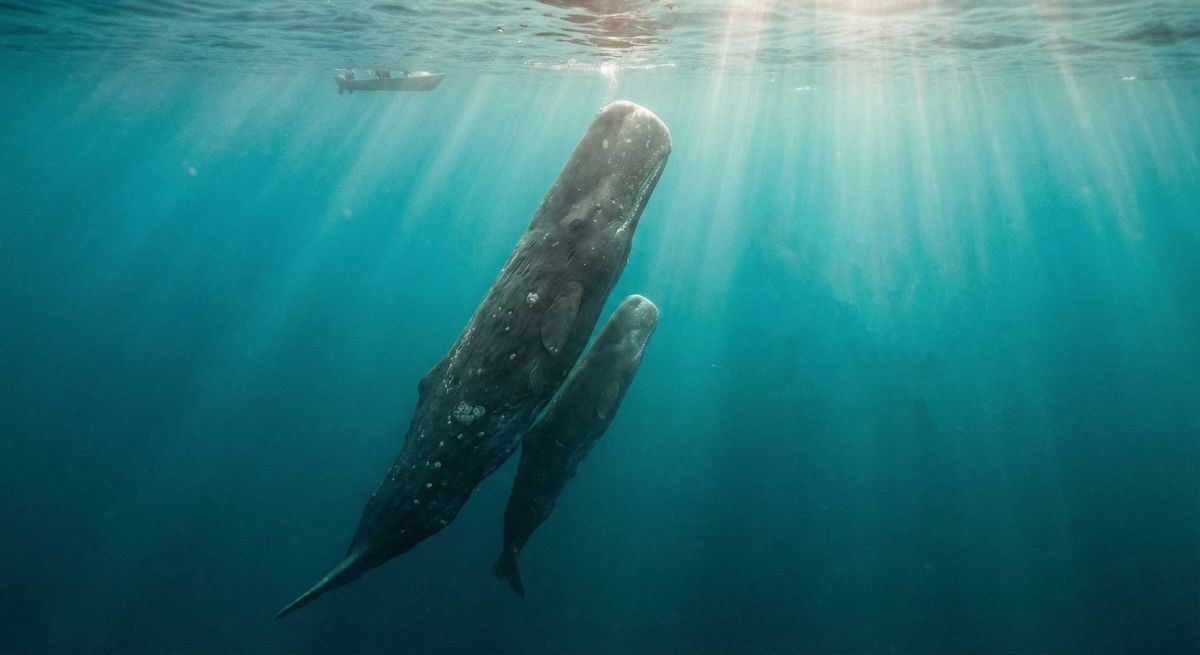
- In-Water Encounters: Swimming with whales is highly regulated and requires a special government permit. It is limited to very few people per year to ensure the whales are not stressed.
- Best Time to Visit: While they are resident year-round, the peak months for sightings are between November and March.
Ethical Wildlife Watching Tips
- Choose Certified Guides: Look for operators who follow the reserve’s strict code of conduct.
- Be Patient: These are wild animals. Silence and respect are key to a successful encounter.
- Bring Binoculars: Sometimes the best views are from the boat deck without ever entering the water.
his initiative aligns with global ocean protection goals set by organizations like the International Whaling Commission.