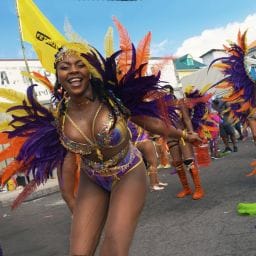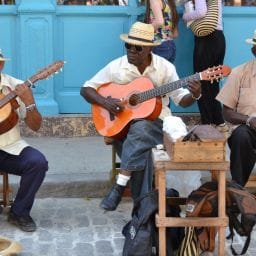
Every October and November, Dominica bursts with color, rhythm, and tradition. The Independence season is more than just a national holiday — it’s a vibrant, month-long celebration of the island’s Creole identity, rich history, and unshakable pride. From traditional dances and folk music to colorful dresses and delicious Creole cuisine, this is one of the most authentic and emotional times to experience Dominica.
In this article, we’ll guide you through the Independence celebrations in Dominica, explore the key events, traditions, and how visitors can take part in the festivities. Whether you’re planning your first trip to the island or returning home for the season, Independence offers a one-of-a-kind cultural immersion.
🇩🇲 Why Dominica Celebrates Independence
Dominica gained independence from the United Kingdom on November 3, 1978, becoming the Commonwealth of Dominica. The event marked the birth of a free nation and reaffirmed the island’s cultural identity and resilience.
Today, Independence isn’t just about politics — it’s about heritage, community, and celebrating the Creole spirit that defines Dominica. It’s also a time of reflection, gratitude, and generational pride, when families and communities come together to honor their roots.
The buildup to November 3rd is filled with activities that showcase Dominica’s past, present, and aspirations for the future — all woven together by the sounds, colors, and traditions of Creole culture.
🎉 Key Events During Independence Season
1. National Emblems Week
This week is dedicated to honoring Dominica’s national symbols — including the Sisserou parrot, the national flag, and the anthem. Schools host patriotic programs, while government buildings and businesses proudly display the colors of the nation.
It’s a time to teach children about the values of national identity, citizenship, and pride in heritage.
2. Creole Day (Jounen Kwéyòl)
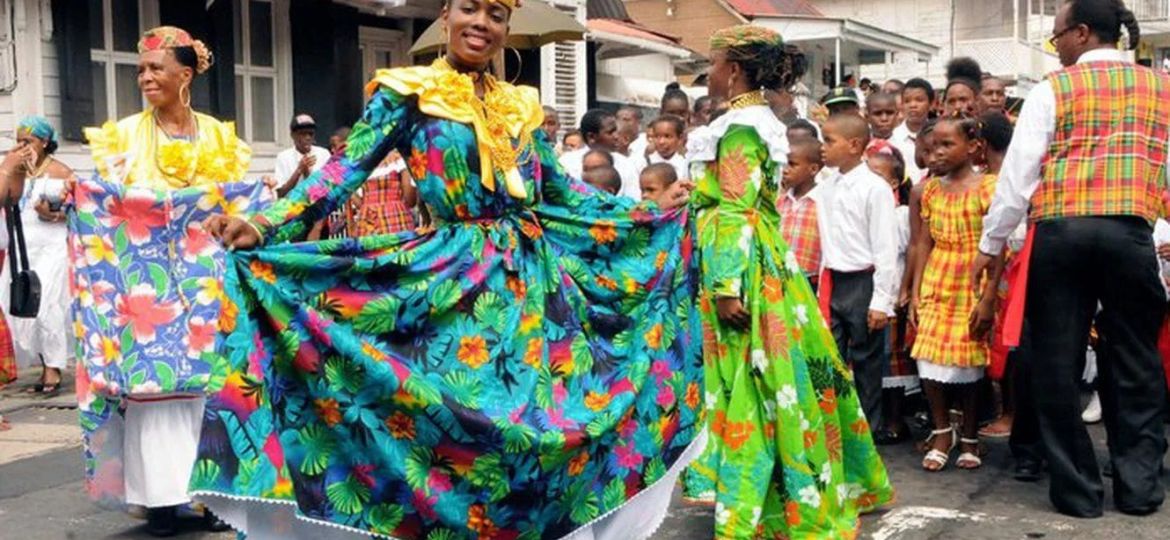
Held on the last Friday of October, this is one of the most beloved celebrations. Everyone dresses in traditional Creole attire, and schools, workplaces, and towns organize food fairs, music, and dance performances.
Expect to see:
- Wob Dwiyet and Jupe Blouse dresses in vibrant madras fabric
- Kwéyòl music with drums, bamboo flutes, and accordions
- Hearty Creole dishes like crab callaloo, smoked herring, and bakes
- Storytelling, folk games, and children’s parades
Some communities even hold competitions for the best-dressed Creole couple, while local chefs demonstrate traditional cooking techniques in live showcases.
3. Heritage Day
Rotating each year between different villages, Heritage Day is an immersive experience into rural life and cultural preservation. Villages prepare weeks in advance to showcase their unique heritage through:
- Traditional wooden architecture and restored buildings
- Local arts and crafts (woven baskets, calabash bowls, wood carving)
- Oral history performances, plays, and dances
- Culinary delights served from large outdoor pots and grills
Traveling to the host village of the year offers a chance to see Dominica beyond the capital — into its rich and living heritage.
4. Independence Parade (November 3rd)
On Independence Day, the capital Roseau comes alive with a grand parade that starts early in the morning. Thousands gather to see uniformed groups march through the city, accompanied by steel bands, cultural troupes, scouts, fire brigades, and school groups.
The President and Prime Minister give speeches honoring the nation’s journey and aspirations. Later in the day, music stages, food festivals, and dancing continue well into the night.
For many, the parade is the emotional climax of the season — blending history, pageantry, and patriotic fervor.
👗 What to Wear: Creole Fashion & Colors
Independence season is when Dominica’s traditional Creole dress comes alive. The Wob Dwiyet and Jupe Blouse — featuring bright madras fabrics, lace, and decorative jewelry — symbolize cultural pride, elegance, and resilience.
Women wrap their heads in elaborate styles known as tèt anba, which vary based on marital status and occasion. Men may wear madras shirts or kerchiefs to show unity and celebration.
Even visitors are encouraged to wear madras or Creole-inspired attire during Jounen Kwéyòl and Independence Day. It’s a sign of respect and a beautiful way to join in the celebration.
🍲 What to Eat During Independence Season
Creole food is at the heart of the celebration. Throughout October and November, Dominica becomes a culinary paradise where traditional dishes are prepared with love and pride.
Dishes you’ll find across villages and pop-up stalls:
- Manicou stew (opossum slow-cooked with local herbs)
- Crab backs (stuffed crab shells with spicy seasoning)
- Smoked herring and saltfish with ground provisions
- Fig and codfish, yam pie, fried plantains
- Creole bakes (savory or sweet), cassava bread, coconut tarts
Don’t forget to try local juices made from passionfruit, tamarind, or soursop, and finish with a shot of homemade spiced rum.
📸 Where to Experience the Best Celebrations
- Roseau: The capital city is the epicenter for parades, official ceremonies, concerts, and large-scale festivities.
- La Plaine, Grand Bay, and Kalinago Territory: Known for their deep Creole roots, these areas host vibrant Heritage Day events and community celebrations.
- Local schools, churches, and cultural centers: Some of the most heartfelt and genuine experiences happen at grassroots events led by teachers, elders, and artists.
Tip: Attend at least one village celebration and one urban event to see both sides of the island’s Independence spirit.
🧭 Tips for Visitors
- Book accommodations early. Independence season is a high-demand travel time.
- Bring or buy Creole clothing. It helps you blend in, take part, and be welcomed with open arms.
- Attend both large and small events. The national parade is a must-see, but village gatherings are equally rich and meaningful.
- Capture the memories. Photos are welcome, but always ask permission before taking close-ups, especially of elders or performers.
- Learn a few phrases in Creole (Kwéyòl). Even a simple “Bonjou” goes a long way.
Need a place to stay? Check RentInDominica.com for Independence-ready accommodations.
🎶 Bonus: Music and Dance You’ll Hear
Dominica’s Independence season is inseparable from its music. From impromptu drumming circles to large concerts, rhythm is everywhere.
- Bouyon: High-energy dance music with African and electronic influences
- Cadence-lypso: The soulful, Creole-rooted genre that defined 1970s Dominica
- Jing ping bands: Accordion, bamboo flute, and percussion ensembles that play at traditional gatherings
- Drum and chant performances: Especially in Kalinago and Maroon communities
Music is not just entertainment — it’s storytelling, protest, joy, and community.
🌟 Final Thoughts: Celebrate with Heart
To experience Independence in Dominica is to feel the island’s heartbeat. It’s not just a celebration — it’s a declaration of love for heritage, land, and people.
It’s also a rare chance to witness a modern nation proudly preserving its ancestral traditions. You’ll leave with more than memories — you’ll carry a piece of Dominica’s soul.
👉 Interested in investing in Dominica’s future? Discover properties and business opportunities at DominicaEstates.com!